📢 Affiliate Disclosure — Commission Earned on Qualifying Purchases
Gelatin and Gut Health: What the Research Actually Says
Gelatin is associated with gut health in wellness circles — but what does the research literature actually establish? This Dose Theory review separates published research context from manufacturer claims, and independently verifies what Gelatine Sculpt's credentials actually confirm.
Gelatin's association with gut health centres on its dominant amino acid, glycine — which constitutes approximately 21–27% of gelatin protein by weight. Research literature has investigated several areas where glycine may play a role in digestive function, including its potential relationship to gastric acid secretion, gut motility, and the integrity of the intestinal lining.
This research is ongoing and does not support specific clinical claims about gelatin supplementation for gut conditions. What it establishes is a plausible biochemical framework for why glycine intake — substantially higher in traditional dietary patterns than in modern muscle-meat-dominant diets — may be of interest to researchers studying gut health. Dose Theory does not assess efficacy claims. Individual results vary.
Research areas associated with gelatin amino acids
Peer-reviewed research has investigated glycine's potential role in supporting tight junction proteins in the intestinal epithelium. The evidence is preliminary and mostly from animal studies and in vitro research. Human clinical trials establishing gut barrier benefits from gelatin supplementation are limited. Individual responses vary. Gelatine Sculpt is not intended to treat any gut condition.
Some research literature suggests glycine may influence gut motility through its role as an inhibitory neurotransmitter in the enteric nervous system. This is a developing research area and does not constitute established clinical guidance. Dose Theory does not verify physiological outcome claims for any supplement.
Research has examined gelatin protein's potential effects on satiety hormones including GLP-1 and ghrelin — the gut hormones that regulate appetite signals. Some studies have found that gelatin protein may influence post-meal satiety differently from other protein types. Results are preliminary and individual variation is significant. Not a basis for clinical recommendations.
Glycine, proline, and hydroxyproline are well-established structural components of collagen — the primary connective tissue protein in the gut lining and throughout the gastrointestinal tract. The structural role of these amino acids in gut tissue is established at a biochemical level. Clinical outcomes from gelatin supplementation for gut tissue maintenance require further investigation.
Dose Theory Editorial Standard
All research context above is drawn from published peer-reviewed literature. It does not represent manufacturer claims or establish clinical recommendations. Gelatine Sculpt is not evaluated by the FDA and is not intended to diagnose, treat, cure, or prevent any disease. Always consult a qualified healthcare professional before beginning any supplement, particularly if managing a gut or digestive health condition.
"Gelatin's amino acid profile — particularly the glycine and hydroxyproline content — makes it one of the few common dietary protein sources with a direct structural relationship to connective tissue throughout the gastrointestinal system."
— Dose Theory editorial context. Based on published literature — not a manufacturer or clinical claim.
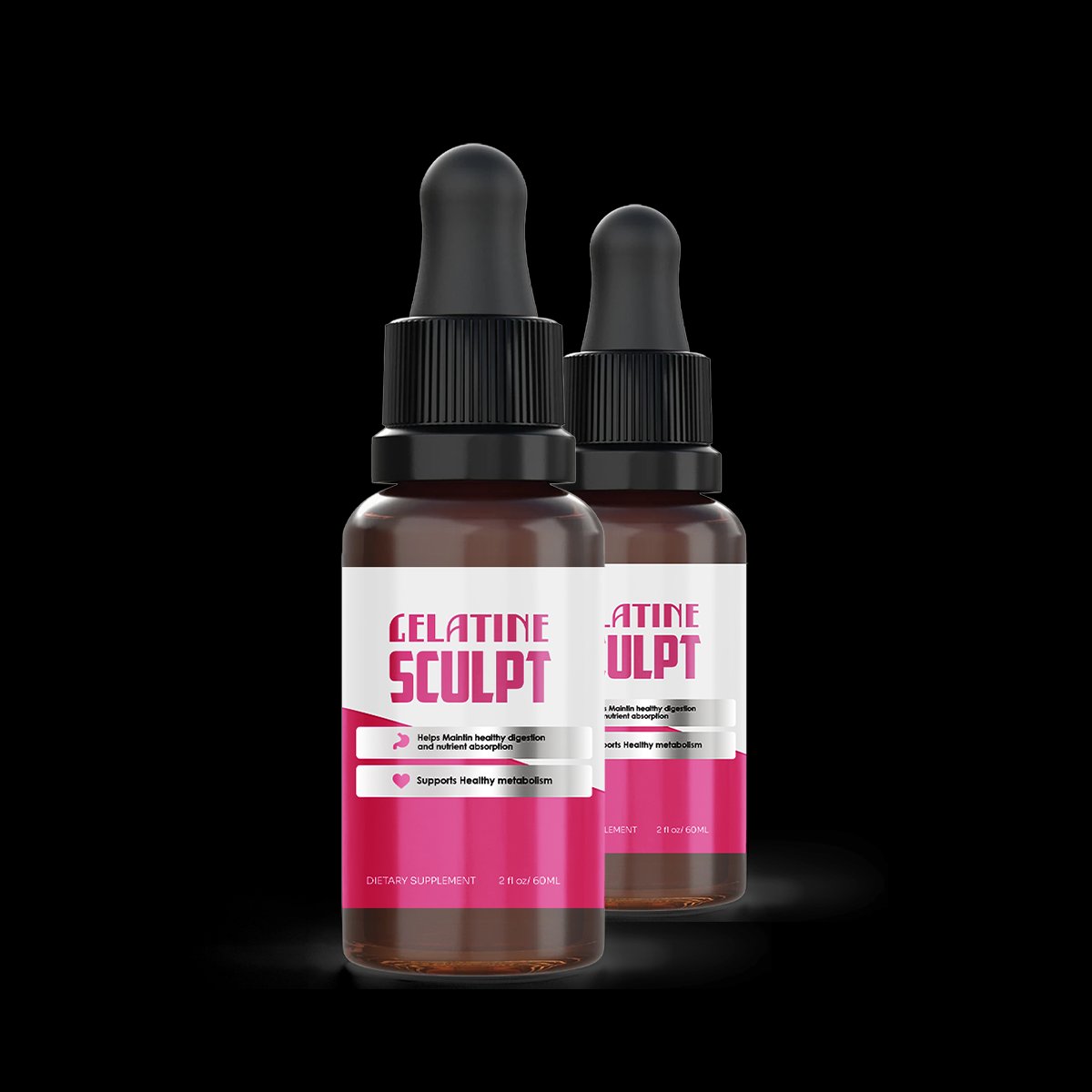
Dose Theory independently verifies Gelatine Sculpt: GMP-certified facility, third-party lab testing, 60-day guarantee, 60ml liquid dropper. Commission earned on purchases through our links.
What Dose Theory's independent verification establishes
What Is Verified
Manufacturing, testing and guarantee credentials
GMP-certified facility. Independent third-party lab testing with no financial conflict. Label accuracy confirmed. 60-day money-back guarantee on all packages. Liquid 60ml dropper format confirmed. These are verifiable, documented credentials.
What Is Not Assessed
Physiological outcomes and efficacy claims
Third-party lab testing confirms label accuracy — not that the product will produce any specific gut health outcome for any individual. Individual results vary. No outcomes are guaranteed. Consult a healthcare professional before use.